Biodiversity
The Intertwined Love of Farming and Nature
I love farming and I also love the natural environment that is intertwined with the farm. I have seen in my lifetime how natural habitats can so easily be destroyed by humans - how modern farming methods have caused the loss of species in much of the country and the world. But I have also seen what is possible when a farmer makes a deliberate choice to do things differently.
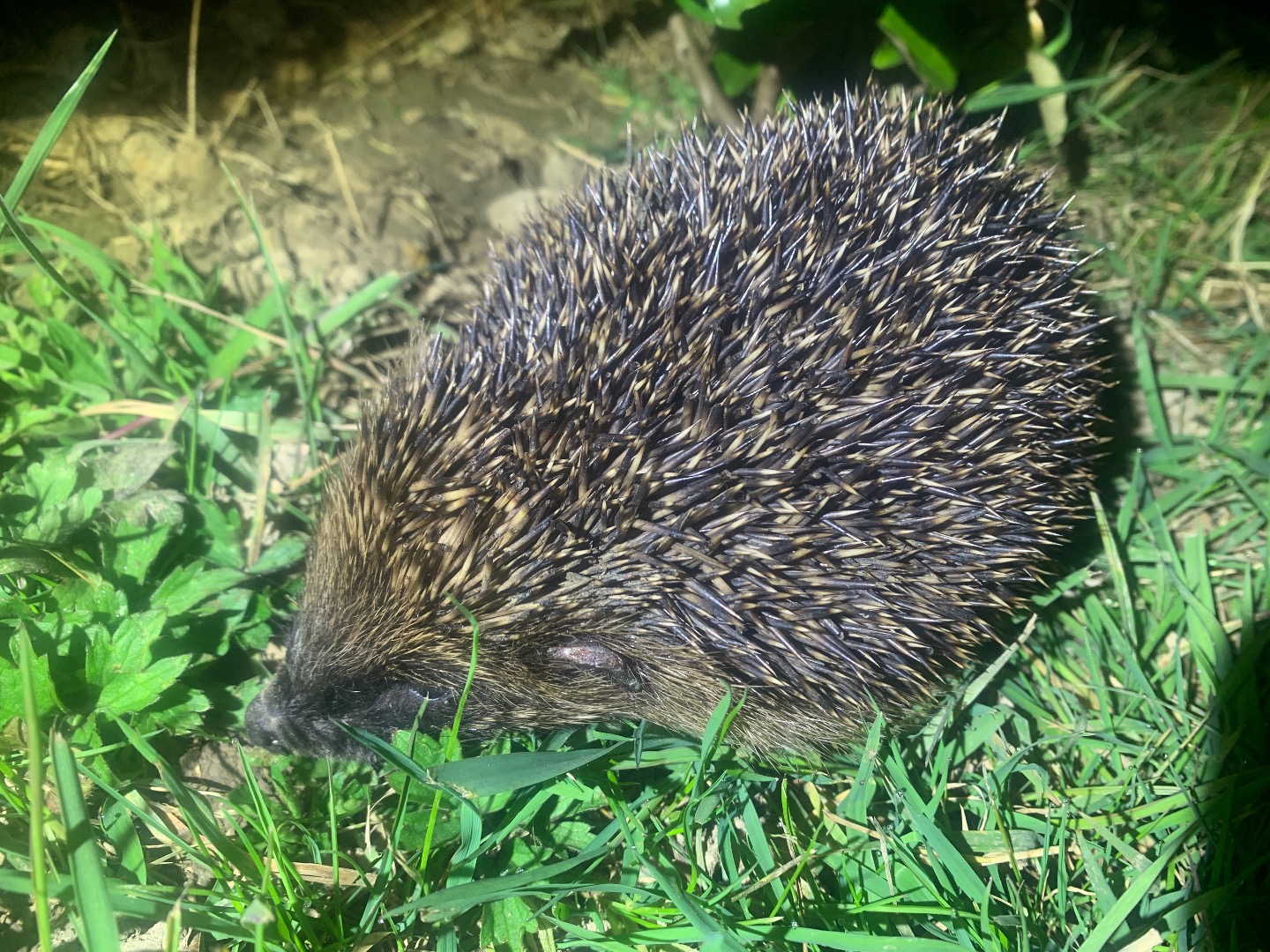
Encouraging Biodiversity
There are many ways farmers can improve biodiversity in the countryside, and this can all be done without affecting financial profit on the farm. Farm profit can actually be increased by signing up to agri-environmental schemes such as the Agri-Climate Rural Environment Scheme (ACRES). At De Gud Farm we have been participents in GLAS and ACRES for eleven years, and the results are visible every season.
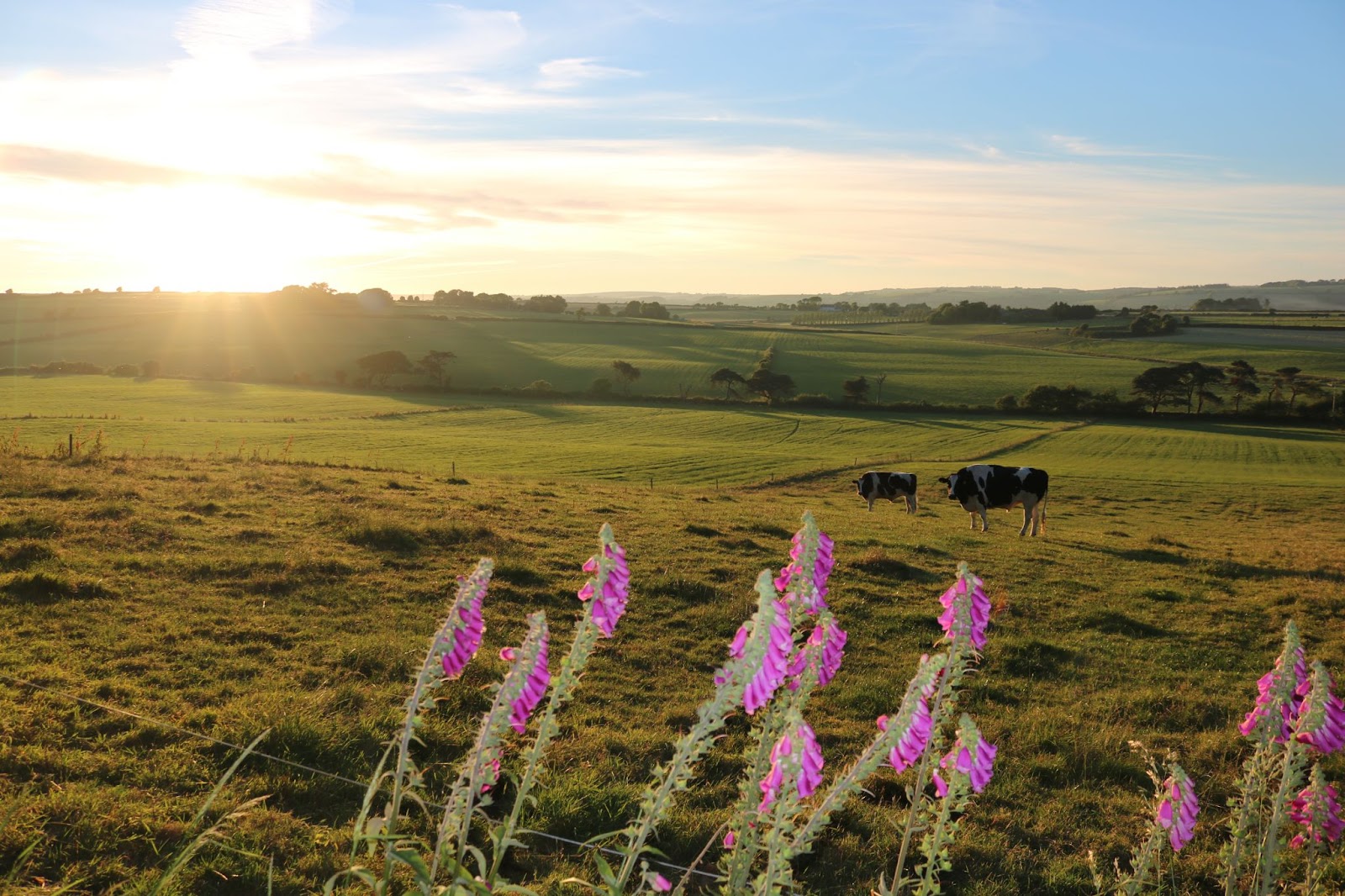
A Demonstration Farm for Nature
De Gud Farm has been selected as one of the Demonstration Farms for the Arable Coast Environment EIP - a €7 million European Innovation Partnership project co-funded by the Irish Government and the European Commission, running from 2026 to 2029. Only a handful of farms have been chosen across the entire arable coast of south Cork, Wtaerford and Wexford. As a Demonstration Farm, we are implementing a suite of habitat measures including five-metre arable grass margins, beetle banks, skylark plots in our cereal crops, winter wild bird cover, and supplementary feeding of seed-eating birds using our own barley. From mid-2026, De Gud Farm will host farm walks for neighbouring farmers and open days for wider groups of visitors and stakeholders. This is what De Gud Farm is about - not just doing the right thing quietly, but sharing it. You can find out more about it here:
https://www.secad.ie/what-we-do/ace-eip/
A Nature Plan for De Gud Farm
In 2025, Paul Moore - a Farming For Nature Ambassador - visited De Gud Farm and prepared a formal nature plan for the holding. Paul's independent expert assessment gave us a structured framework for continuing to develop the farm's natural heritage into the future. I would highly recommend the Farming For Nature initiative to any farmer who wants to understand what they can do in their farming system to improve their land.
Farming Alongside Nature
At De Gud Farm we believe that a working commercial farm and a thriving natural world are not opposites. They belong together. Here is what we are doing on our farm here in south County Cork to make that belief a reality.
What is Wild Bird Cover?
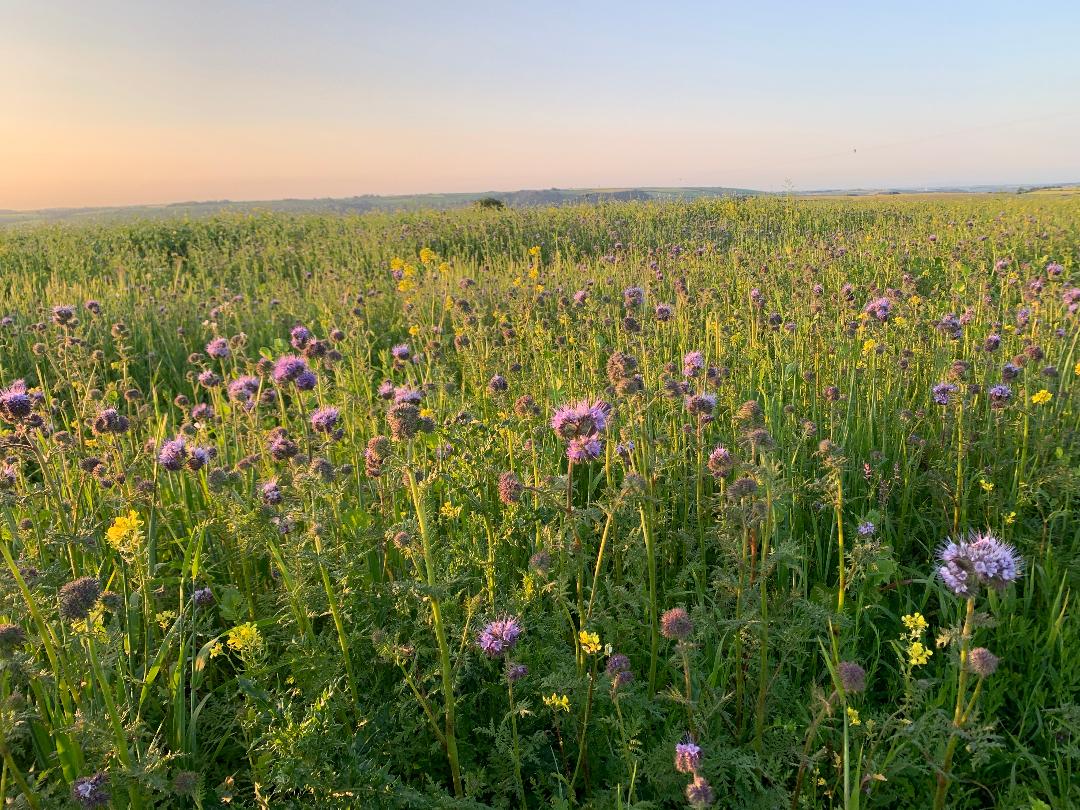
Wild bird cover is a mixture of grasses, wildflowers, and seed bearing plants grown specifically to support farmland birds and wildlife. Unlike a normal crop it is never harvested.
Instead it is left standing through the winter months when food sources across the countryside become scarce — providing seeds, shelter, and hunting grounds for birds, insects, and small mammals.
At De Gud Farm we currently grow eight acres of wild bird cover across the farm. Six acres are established under our ACRES agri-environment scheme and two acres were added in 2026 under the ACE EIP programme. From 2027 we will increase our wild bird cover to a total of twenty two acres — one of the largest areas of dedicated wildlife habitat on any tillage farm in Ireland.
The results are visible. Hen Harrier, Skylark, Yellowhammer, Chough, Kestrel, and Barn Owl have all been recorded in the area and on the farm in recent years — birds that were absent from this land a decade ago.
What are Catch Crops?
After the main harvest is complete in late summer the fields are not left bare. Instead we sow a catch crop — a fast growing mix of phacelia, vetch, and crimson clover that establishes quickly and covers the soil through the winter months.
Bare soil loses nutrients. Rain washes them down into the bedrock or into streams and rivers. A living catch crop holds those nutrients in the plant and in the soil, releasing them slowly back into the ground when the crop is ploughed in during spring. This builds soil organic matter, reduces our need for artificial fertiliser, and protects local water quality. At De Gud Farm we sow approximately 45 acres of catch crops every autumn. It is one of the most impactful things a tillage farmer can do for soil health and the environment.
What are Arable Margins?
An arable margin is a strip of grass and wildflowers left unfarmed along the boundary of a crop field. Rather than ploughing and planting right up to the field edge we leave a five metre wide strip — a corridor of wildlife habitat running along the hedgerow or field boundary. These margins provide food, shelter, and safe passage for insects, bees, butterflies, beetles, and small mammals. They connect habitats across the farm, allowing wildlife to move freely between the woodland, the hedgerows, and the wild bird cover fields.
From 2027 De Gud Farm will establish four acres of arable margins — approximately three kilometres of five metre wide wildlife strips running around the boundaries of our fields. That is a significant commitment of productive land given back to nature.
What are Skylark Plots?
The Skylark is one of Ireland most endangered farmland birds. It needs bare ground within cereal crops to land and run into the crop to build its nest — hidden and protected from predators. Modern farming practices leave no gaps in the crop for the bird to enter. A skylark plot is a simple solution — a small area of bare ground left unplanted within the cereal crop. Skylark Plots are better suited to winter planted crops because when spring comes and the Skylark is building it’s nest, the crop has already grown to allow the bird its cover. A tiny intervention with a potentially significant impact for a bird whose song was once the soundtrack of the Irish countryside.
What are Beetle Banks?
A beetle bank is a raised strip of perennial grasses running through the middle of a large field. It provides year round habitat for ground beetles and other beneficial insects — natural predators that feed on crop pests and reduce our need for insecticides. A beetle bank also provides nesting and foraging habitat for farmland birds and small mammals.
Our Agri-Environment Schemes
ACRES — Agriculture, Climate, Rural and Environment Scheme
Ireland's flagship agri-environment scheme supporting farmers to deliver environmental outcomes alongside commercial farming. At De Gud Farm our ACRES measures include six acres of wild bird cover, forty five acres of catch crops and ten acres of low input grassland managed for wildlife.
ACE EIP — Arable Coast Environment European Innovation Partnership
A €7 million initiative co-funded by the Irish Government and the European Commission, supporting tillage farmers along the Irish south coast to farm alongside nature. De Gud Farm is one of only two ACE EIP Demonstration Farms in County Cork — selected for our existing environmental credentials and our commitment to going further. Our ACE EIP measures include wild bird cover, arable margins, skylark plots, beetle banks, and a winter supplementary bird feeding program using our own barley.
What We Do Outside the Schemes
Beyond our scheme obligations we make choices every year that are simply the right thing to do.
• We plant dozens of native trees on the farm every year — oak, ash, alder, Scots pine, silver birch, and cherry. Several hundred native trees have been planted in recent years with more planned every winter in partnership with Cork Green Spaces for Health.
• We protect our hedgerows. We do not cut them annually. We follow a rotational approach that allows hedgerow plants to flower and fruit — providing food and shelter for birds and insects through the winter months.
• We protect our veteran hawthorn trees. Some of these trees are hundreds of years old and irreplaceable. They are home to insects, birds, and lichens found nowhere else on the farm.
• We chop our straw back into the soil after every harvest rather than baling it or selling it. This builds soil organic matter and returns nutrients naturally to the ground.
• We have installed a barn owl box at high level in our machinery shed — providing dedicated nesting habitat for this rare and protected species which has been confirmed on the farm.
• A wildlife pond is planned for the stream valley corridor on our farm walking trail creating new freshwater habitat for amphibians, invertebrates, and wetland birds.
Why Does This Matter?
Ireland has lost more than half of its farmland birds in the last thirty years. Insects are in decline. Hedgerows are disappearing. Soils are being depleted.
At De Gud Farm we are one farm in one parish doing what we can. But we are also a Demonstration Farm — open to other farmers, students, and the public to show what is possible when a working commercial farm decides to make space for nature.